

Analysis
The Challenge of Maintaining Visibility Across Complex Infrastructure Portfolios
Growing infrastructure portfolios demand greater visibility across assets and operations. We explore how connected operating models help managers stay in control.

Infrastructure managers have always operated in complex environments. Capital is often raised in one jurisdiction, deployed through another, and invested across multiple markets. Holding companies, co-investment vehicles, acquisition structures, financing entities, and local operating businesses have long been part of the infrastructure landscape. Most managers are accustomed to operating within these environments and understand the reasons such structures exist.
What has changed is not the existence of complexity. It is the scale at which firms are now expected to manage it.
As infrastructure portfolios become larger, more global, and more diverse, organizations are being asked to maintain oversight across an increasing number of entities, jurisdictions, stakeholders, and reporting requirements. Renewable energy platforms may span multiple countries. Data center portfolios often support customers across regions. Fiber networks, transportation assets, utilities, logistics infrastructure, and social infrastructure businesses can all operate within different regulatory and governance environments despite sitting within the same investment strategy.
For infrastructure CFOs, the challenge is no longer simply understanding complex structures. The challenge is ensuring important information reaches the right people early enough to act.
That distinction is becoming increasingly important because the consequences of delayed visibility are rarely theoretical. A covenant issue identified months before a reporting deadline creates flexibility. The same issue identified weeks before an investor update creates pressure. A liquidity concern identified early can often be managed proactively. The same concern identified late may limit available responses.
In increasingly complex infrastructure portfolios, visibility is not simply about oversight. It is about time.
When Complexity Starts to Slow Information Flow
Infrastructure professionals are accustomed to complexity. Many of the industry’s most successful managers oversee sophisticated structures designed to support growth, fundraising, governance, and investment execution. A new jurisdiction, a co-investment vehicle, or an additional holding company rarely creates concern on its own. These structures generally exist for sound commercial reasons and often support flexibility, efficiency, and investor requirements.
The challenge emerges when organisations attempt to maintain a clear line of sight across all of them. Every new entity creates another source of information. Every new jurisdiction introduces additional reporting considerations. Every new stakeholder brings different expectations around oversight and transparency.
Viewed individually, each component remains manageable. Viewed collectively, they can create an operating environment where critical information becomes harder to surface, harder to validate, and harder to escalate. Complexity begins to create risk not because information is unavailable, but because information moves more slowly through the organisation than the business requires.
For leadership teams, that distinction matters. The issue is rarely whether information exists somewhere within the portfolio. The issue is whether it reaches decision-makers while there is still time to respond.
Why Diverse Infrastructure Portfolios Create Information Gaps
Infrastructure is often discussed as though it were a single asset class. Operationally, it increasingly behaves like a collection of different industries.
A utility business, a battery storage platform, a fibre network operator, a data centre portfolio, and a transportation asset may all sit within the same fund while operating under very different commercial, regulatory, and governance frameworks. Each generates different information, faces different risks, and requires different forms of oversight.
This diversity is one of infrastructure’s strengths. It is also one of the reasons portfolio-wide visibility becomes more difficult as firms scale.
The challenge is not simply understanding what is happening within individual assets. The challenge is understanding what is happening across the portfolio as a whole. A regulatory development affecting a utility business may have little relevance to a fibre network operator. A covenant issue within one structure may not immediately appear material at portfolio level. A reporting delay within a single operating company may initially seem insignificant.
Yet each can become increasingly important if visibility is delayed.
This challenge is becoming particularly relevant within digital infrastructure and energy transition portfolios. Data centre platforms often operate across multiple jurisdictions while managing significant customer, operational, and power-related dependencies. Renewable energy strategies may encompass hundreds of underlying assets operating across different regulatory environments. As these portfolios scale, maintaining timely insight becomes both more difficult and more important.
The Cost of Finding Out too Late
As portfolios expand, information often travels through multiple layers of the organization before reaching management teams, boards, or investors. Portfolio companies gather information. Local management teams review it. Service providers process it. Governance frameworks require oversight. Finance teams validate and consolidate it before it contributes to a broader view of portfolio performance.
This process is entirely normal – the challenge is that every additional layer creates the potential for delay.
When information arrives later than expected, organisations lose valuable time to assess risks, evaluate options, and respond effectively. A covenant issue identified months before a reporting deadline creates flexibility. The same issue identified weeks before an investor update creates pressure. A liquidity concern identified early can often be managed proactively, while the same concern identified late may restrict available responses. A governance issue surfaced quickly can often be resolved before it escalates, while the same issue discovered after it becomes material can undermine investor confidence.
This is why visibility should not be viewed solely as a reporting issue. It is a timing issue with operational, governance, and investor-relations consequences.
Where Visibility Matter Most
Few roles sit closer to the intersection of reporting, governance, liquidity management, and investor communication than the CFO.
As infrastructure portfolios become more complex, CFOs increasingly depend on timely information to maintain effective oversight. They need visibility into covenant compliance across financing structures, cash positions across operating entities, regulatory obligations across jurisdictions, reporting risks that may affect investors, and operational issues that could influence asset performance.
The challenge is rarely that these issues cannot be identified. It is ensuring they are identified early enough to matter.
For many CFOs, the difference between effective oversight and reactive management comes down to timing. The earlier an issue is identified, the more options exist to address it and the greater the opportunity to respond before it affects investors, governance processes, or portfolio performance. Once an issue becomes visible to external stakeholders, the conversation often shifts from prevention to remediation.
Building an Early Warning System for the Portfolio
The strongest infrastructure managers recognise that complexity itself is unlikely to decrease. Infrastructure portfolios will continue to become more global. New sectors will continue to emerge. Investor expectations will continue to evolve. Regulatory requirements will continue to increase.
As a result, their focus is not on simplifying every aspect of the portfolio. Their focus is on ensuring information moves efficiently across it.
This often means investing in information governance, reporting consistency, oversight frameworks, and operating models capable of surfacing issues before they become material. The objective is not simply creating transparency. It is creating enough transparency that management teams, boards, and investors have time to respond when conditions change.
The firms that do this successfully are often able to maintain stronger oversight without creating additional operational friction as portfolios grow.
The Value of Time
For many infrastructure firms, visibility is still viewed primarily through a reporting lens.
Increasingly, it is becoming something much broader. Early visibility creates optionality. It provides time to respond to emerging risks, address governance concerns, manage liquidity pressures, engage stakeholders, and adjust plans before issues become more difficult to resolve.
Investors recognise this. A manager capable of maintaining visibility across renewable energy assets, fibre networks, transportation businesses, utilities, logistics infrastructure, and data centres operating across multiple jurisdictions demonstrates more than reporting capability. They demonstrate an ability to identify issues while there is still time to act.
As infrastructure portfolios continue to grow in complexity, that capability becomes increasingly valuable. Timing influences how effectively firms manage risk, communicate with investors, and preserve confidence across the organization.
When Timing Becomes Performance
Infrastructure portfolios are becoming more interconnected, more global, and more operationally sophisticated. At the same time, investor expectations around transparency, governance, and oversight continue to rise.
Against that backdrop, the firms that succeed will not necessarily be those with the simplest structures.
They will be the firms that can surface risks, dependencies, reporting issues, and operational challenges while there is still time to act. Because ultimately, complexity becomes dangerous when it delays awareness.
The firms that maintain timely visibility across their portfolios are often better positioned to manage liquidity, strengthen governance, maintain investor confidence, support fundraising, and scale without sacrificing oversight as portfolios become more diverse.
In an increasingly complex infrastructure market, the ability to identify issues before they become material may become one of the clearest indicators of operational maturity. Investors do not judge managers solely on how they respond to problems. They judge them on how effectively they prevent small issues from becoming larger ones.
This version is significantly more readable. It has fewer fragmented paragraphs, more natural transitions, and the core thesis, visibility creates time, and time creates options, now runs consistently through the entire article. That gives it a stronger executive narrative while remaining highly specific to infrastructure operations, governance, liquidity, reporting, and fund management.
Explore how leading infrastructure managers are strengthening oversight, improving portfolio visibility, and creating scalable operating models for long-term growth.
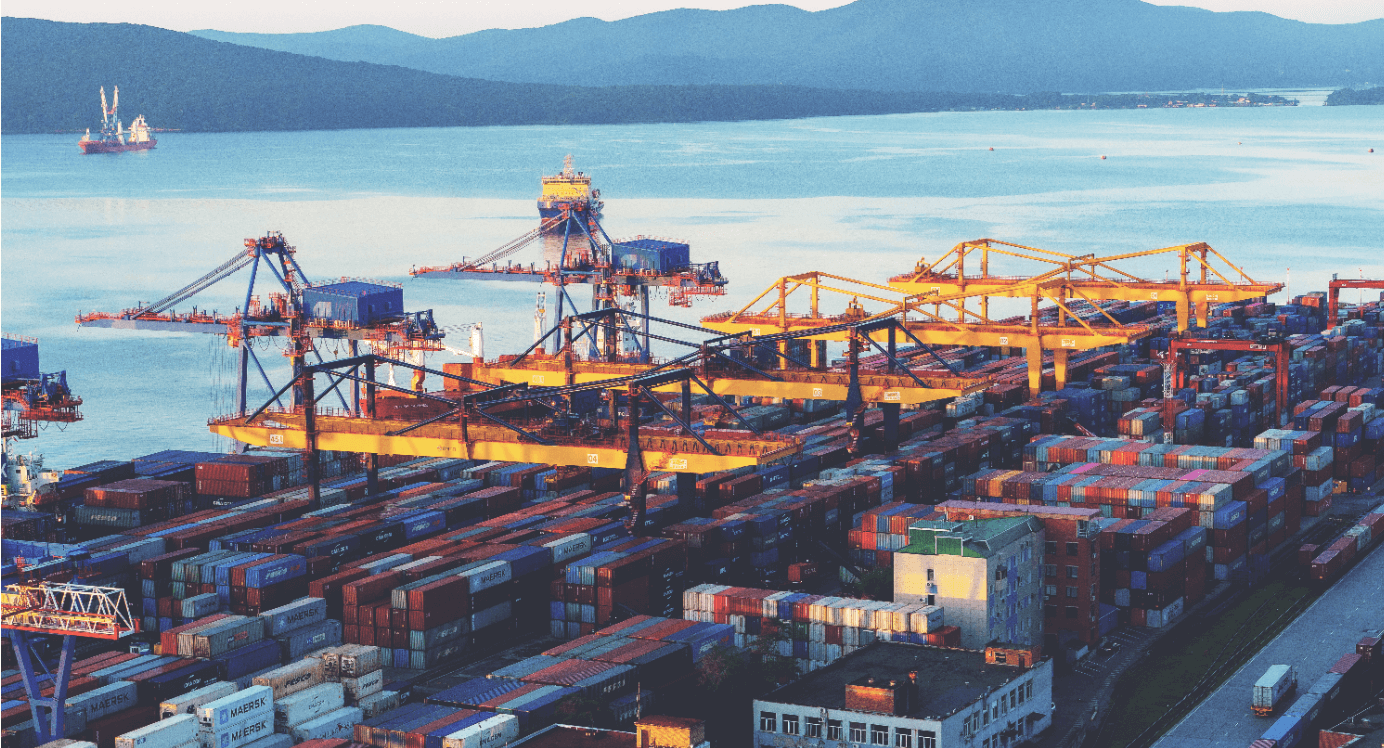
The Hidden Operational Burden of Infrastructure Investing
Behind every successful infrastructure portfolio lies an increasingly complex operating model. We explore the hidden operational burden of infrastructure investing and how leading GPs are building scalable framework.

Why Infrastructure Fund Managers are Investing More Heavily in Operational Oversight
As Infrastructure portfolios become more complex, operational oversight is becoming a strategic priority. We explore how leading managers are strengthening governance, visibility and control to support long term growth.
Get in touch with our team today
Get in touch to learn more about our range of services.
Please complete the form and a member of our team will be in touch with you shortly.
"*" indicates required fields